15/10/2011

Finishes and Animal Glue Tests

Sample board of wood finishes - 
1. Bare wood after sanding
2. Sanding sealer
3. Neutral grain filler and sanding sealer
4. Neutral grain filler and clear french polish
5. Neutral grain filler and garnet french polish
Sample of french polishing (oil free) on an Ash kitchen worktop -
The worktop was sanded down then french polished with a rubber.
This process was repeated a number of times.
The worktop was then spirited using a meths rubber.
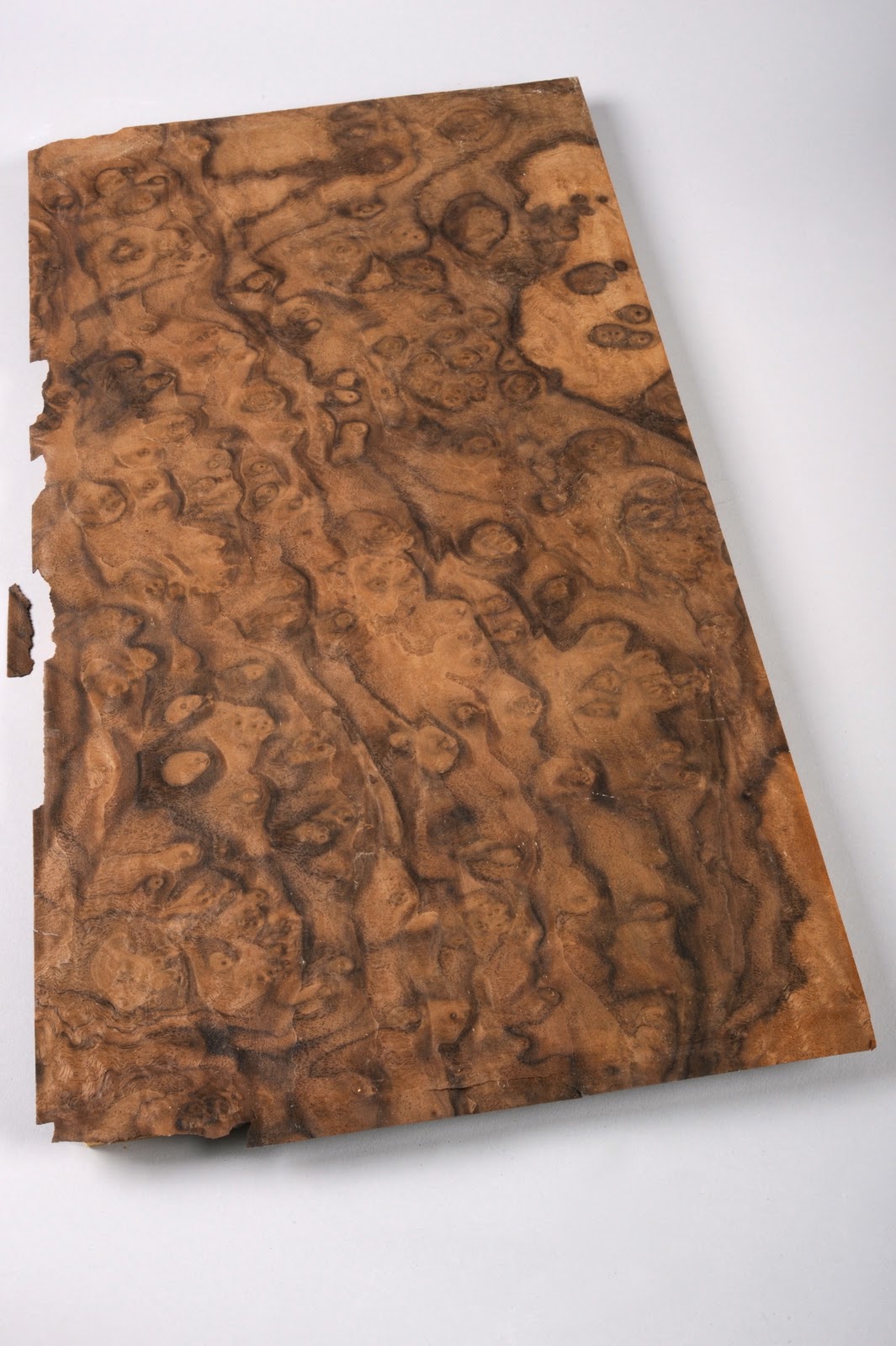
Sample of Burr Walnut veneered onto MDF groundwork -
Pearl hide glue was the chosen adhesive.
The pearls were left in water overnight to expand and were then heated in a water jacket.
The glue was applied to both the veneer and MDF using a brush.
The sample was then rubbed down using a veneer hammer and then wiped down with a damp cloth.

Restoration Project - Antique Chair

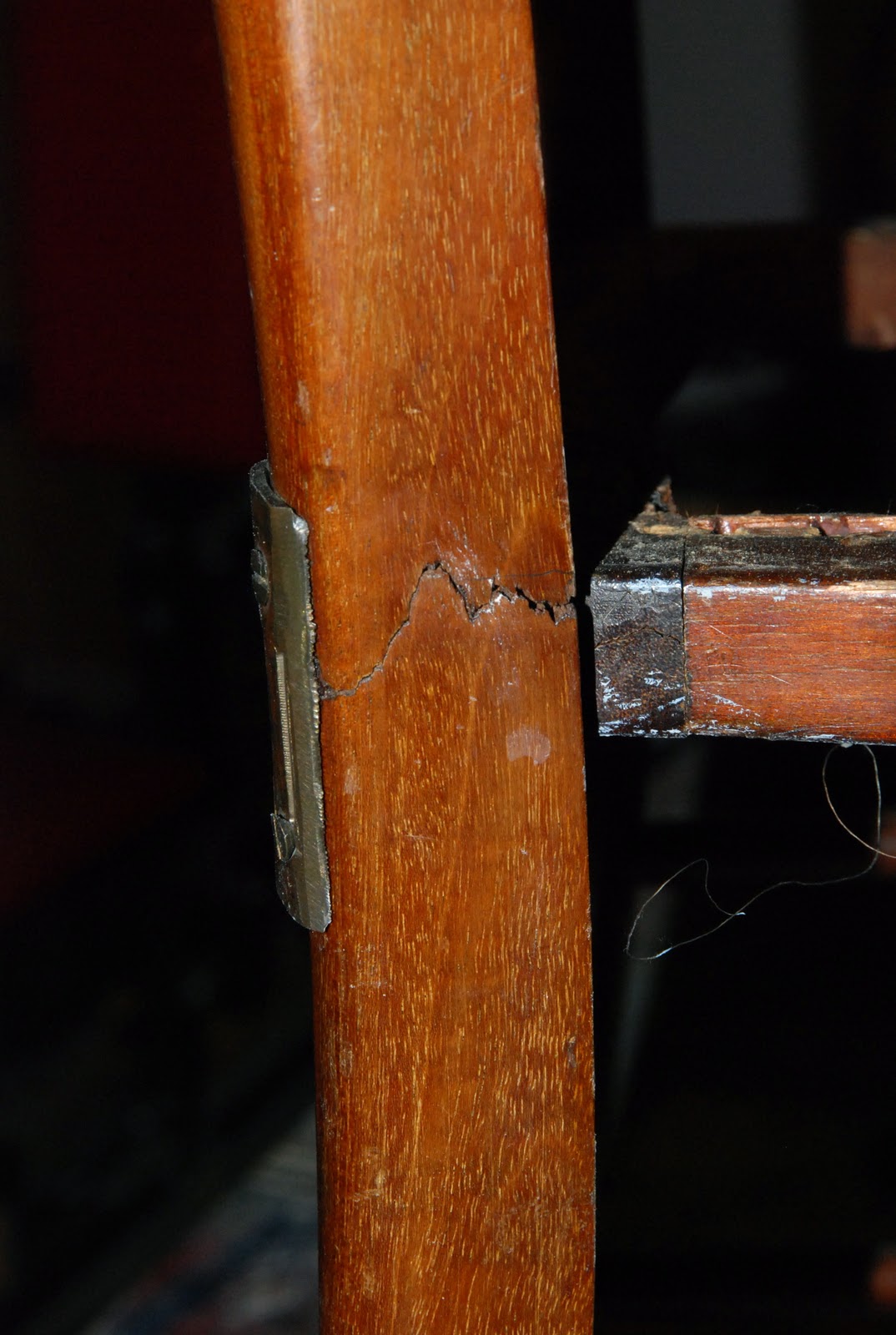
This chair lacked a seat and had been damaged in a series of places, including one of the back legs having been completely split apart. This had been held together by a bracket made from a copper printing plate.


Each section of the chair was marked up with masking tape to make reassembly simple. The chair was then taken apart.

To repair the split chair leg, two headless wire nails were inserted between both sections.
Cracks in the seat frame were filled using PU glue and clamped until dry.
All the joints were cleaned and the chair was fitted back together. Wedges were used to fill in sections that had become loose.


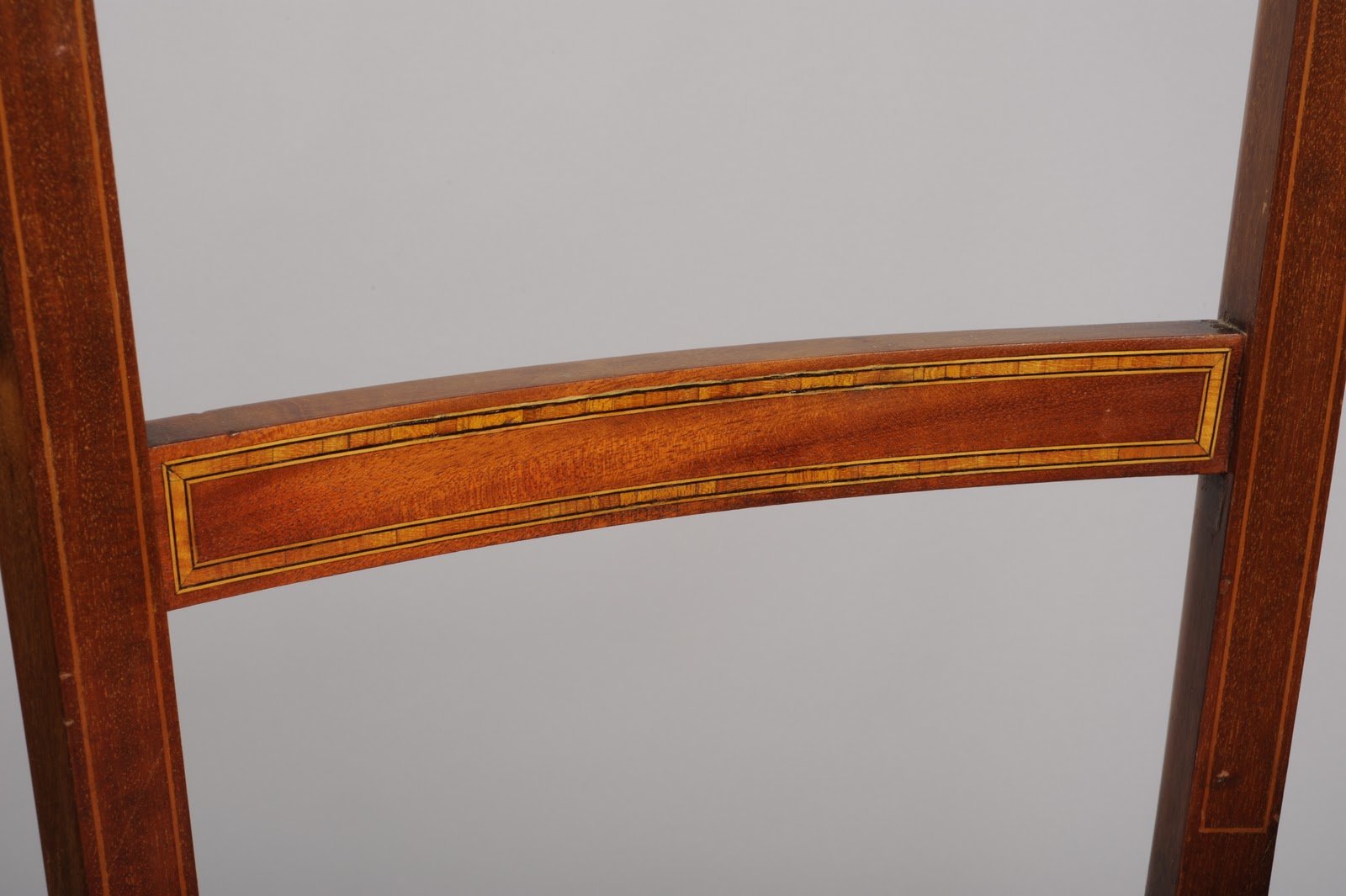
The veneer banding in the back of the chair had to be heated using a heat gun to smooth down any lumps that were created over time.

Pieces of Satin wood veneer were fitted into the missing sections of the banding. These were sanded down and filler was put into the gaps in the black banding. The thin black and yellow banding had to be painted back in using a very fine brush.


The plugs from the back of the chair were put back in whilst filler and paint disguised the previous crack.
Repairs were gone over with pale french polish and then with garnet polish. The whole chair had to be waxed down with Liberon Black Bison wax and fine wire wool.
The upholstery was put over a wooden board and glued using spray on contact adhesive. This was then clamped to the chair until dry.




Restoration Project - Miniature reproduction navigation instrument

The metal of this navigation instrument had eroded after being weathered for a long period of time, this needed to be cleaned up.
The instrument was placed in a plastic container (to avoid a chemical reaction) that was filled with brick masonry cleaning compound. - Safety equipment was required.
The instrument was left in the compound until clean.
The instrument was washed then polished with rag and fine metal polish.


14/10/2011

Restoration Project - Coal bucket

On this coal bucket, several of the planks had come loose.


A swatch of wood was used as an applicator for inserting PU glue into gaps between the planks.

 One plank was marked up with masking tape to signify the start and finish of the gluing routine.
The planks were clamped and excess glue was removed after it had expanded rather than wiping it off whilst still wet.

 The wood of the bucket was then waxed down using Black Liberon Bison Wax and wire wool.

 The brass was polished using wire wool.